Our mission
To promote safe and sustainable mining practices, and to support the development of the mining and construction industries in Africa.
The Global Institute of Mines and Safety is a leading provider of heavy equipment operator training, occupational health and safety training, and mining and construction support services in Ghana.
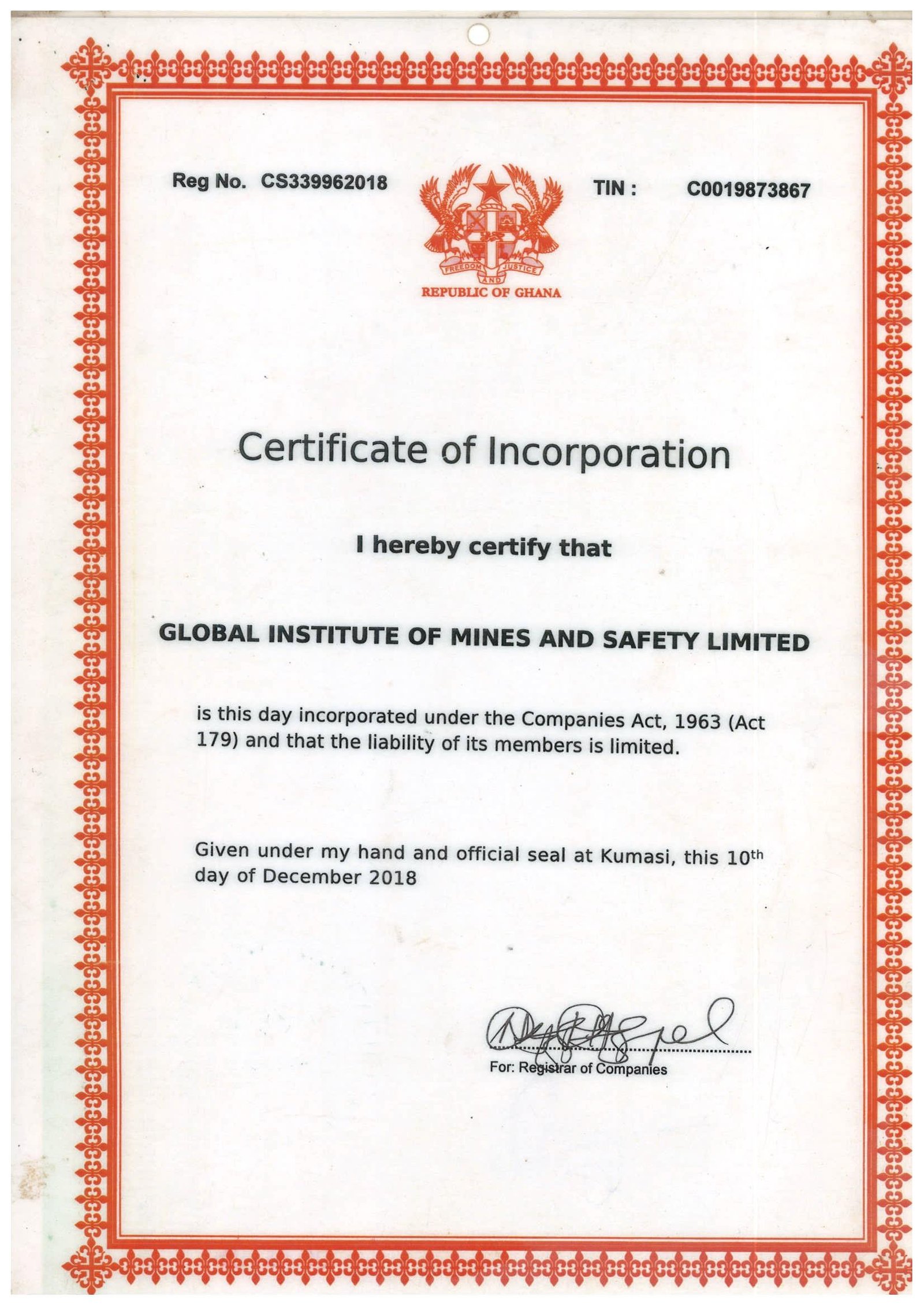
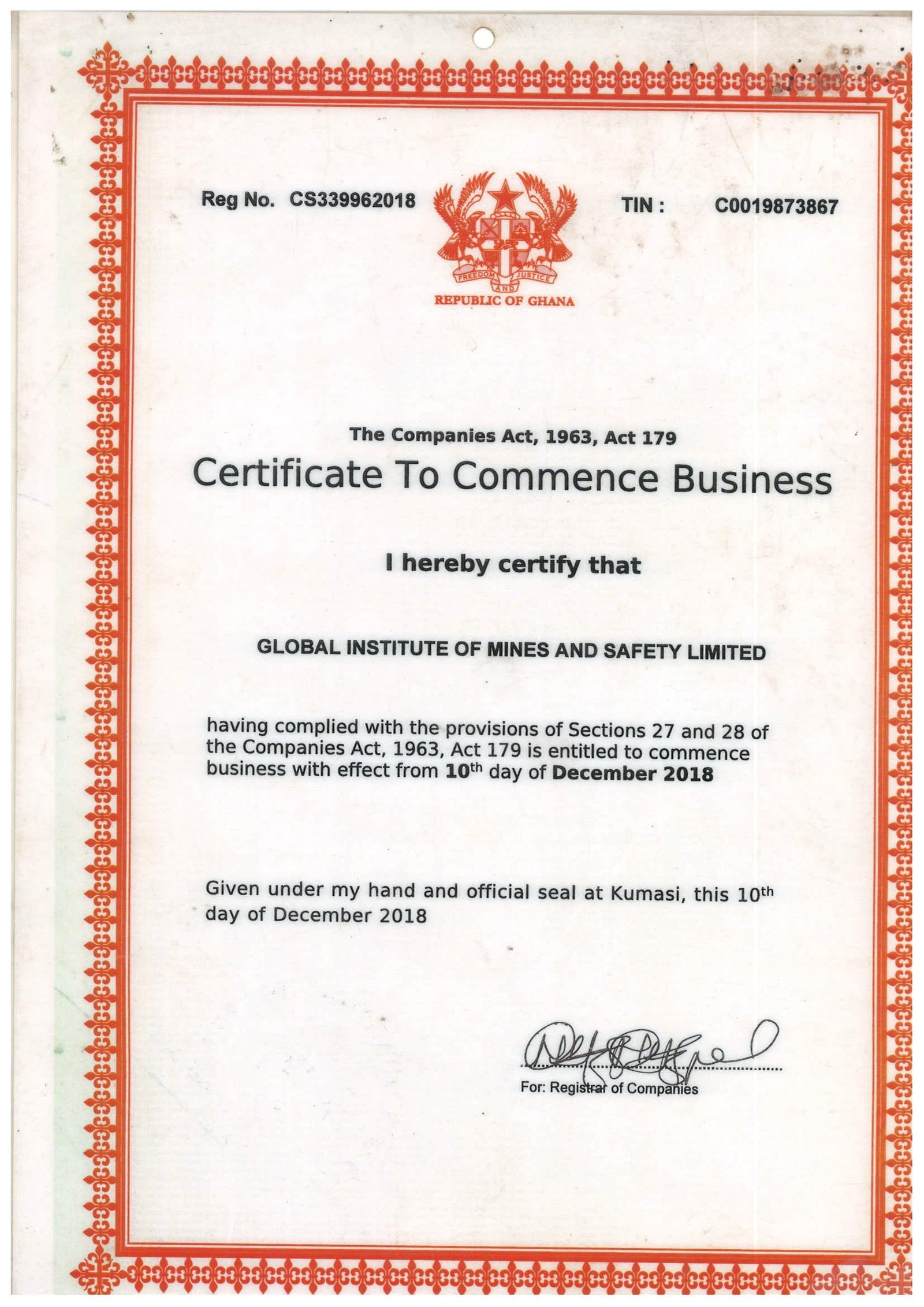
GIMS was established in December 2018 under sections 27 and 28 of the Companies Act, 1963 (Act 179), and has strived since then to provide dynamic, competency-based skills development programmes for its trainees — enabling them to contribute effectively to the development of Ghana and the world at large.
From our campus at Afrisipakrom — one of the Newmont host communities in Ahafo North, near Sunyani Tanoso in the Tano North Municipality — we train operators, supervisors and safety personnel, and advise mining and construction companies on safe, sustainable practice.
Our motto — “Empowered to perform”. We promote competency-based skill development for the purpose of enhancing human development, preparing trainees to apply both theory and skill to real problems.
Everything we do is built around safe, sustainable mining practice and the development of the mining and construction industries in Africa.
To promote safe and sustainable mining practices, and to support the development of the mining and construction industries in Africa.
GIMS is committed to providing a safe, healthy and secure environment for all trainees, staff, visitors and contractors. As an institution dedicated to training professionals in the mining, construction and heavy equipment sectors, we recognise that safety is an essential part of every training and operational activity.
Management therefore commits to implementing effective health and safety systems that prevent accidents, injuries and occupational illnesses — ensuring that both classroom instruction and practical equipment operation follow recognised industry standards and best practice.
Core safety courses, elective equipment operator programmes and technical trades — each delivered through classroom instruction and supervised practical training on site.
 1–2 days
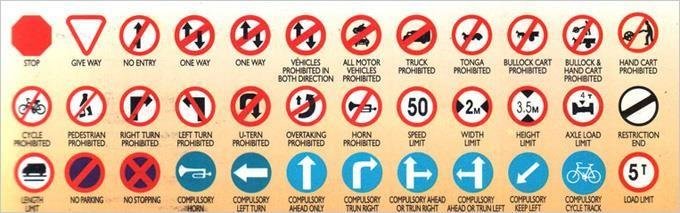
Site road rules, hazard recognition and safe driving technique for every vehicle operating on a mine.
 2–3 days
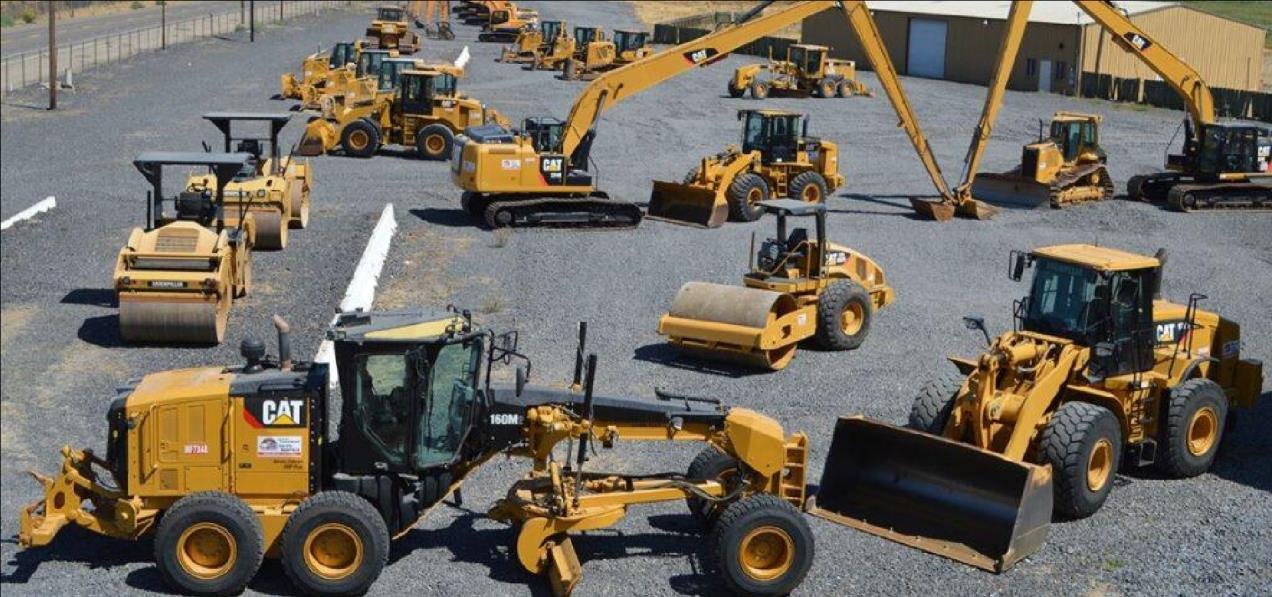
Hazard recognition, pre-operational checks and safe working practice around heavy plant.
1–2 days
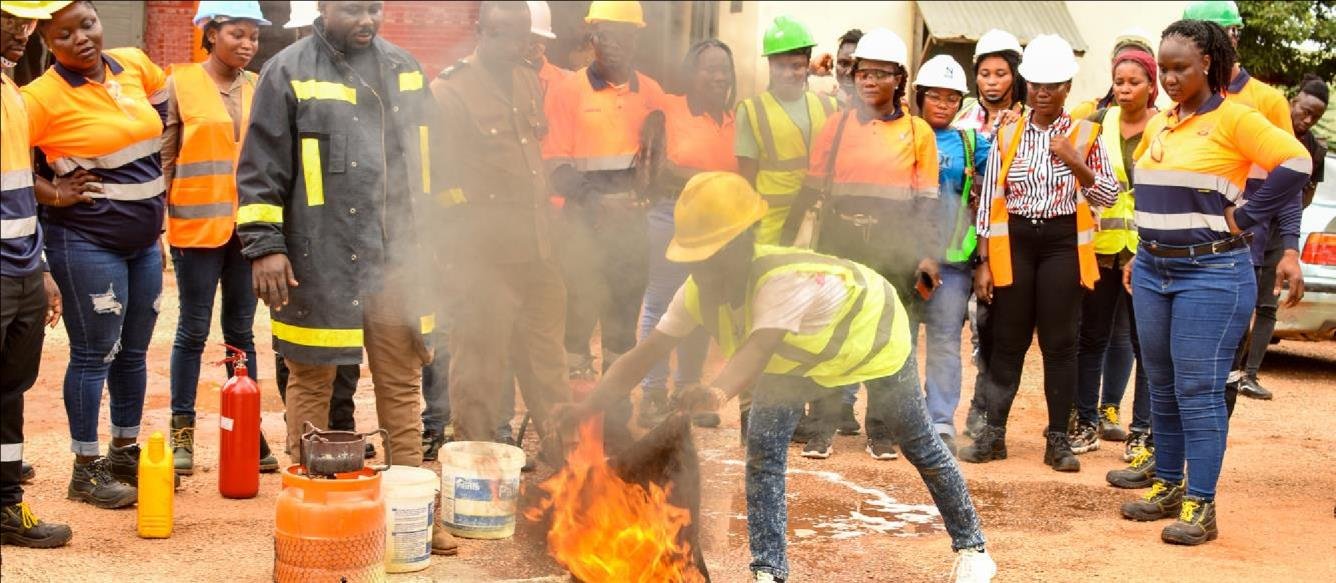
Fire prevention, extinguisher handling and emergency evacuation, taught through live scenarios.
 3 days
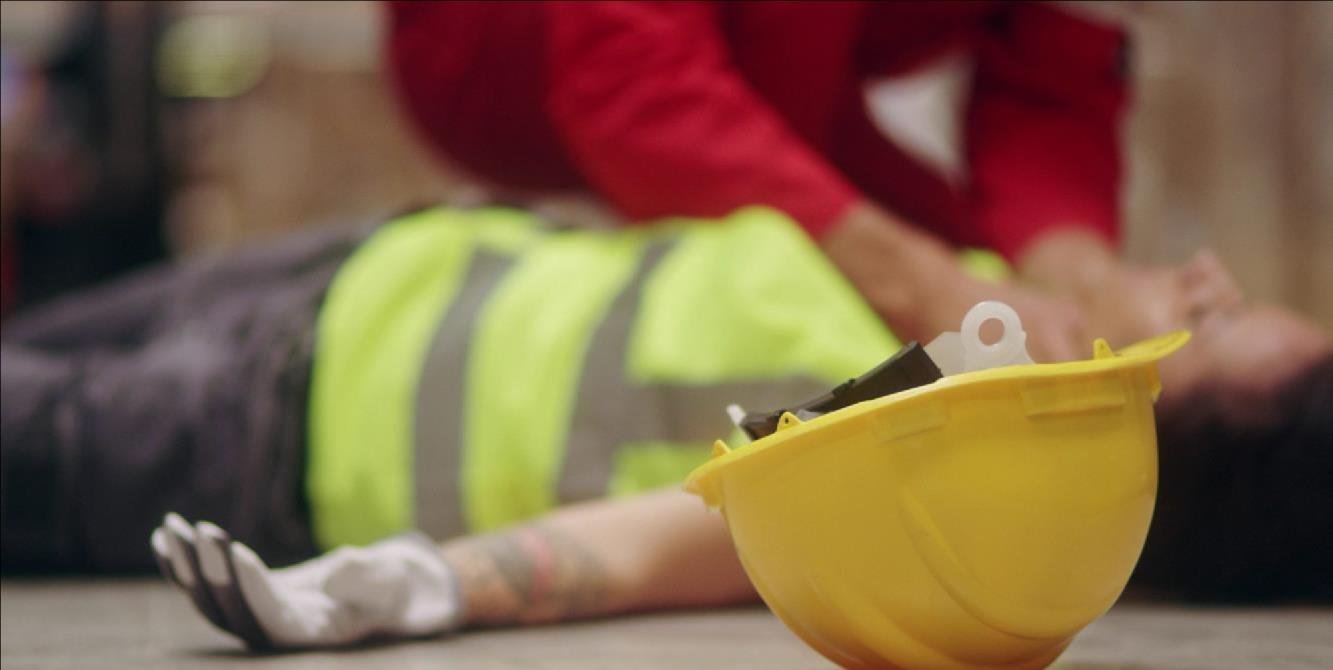
Patient assessment, CPR, wound care and incident reporting for the workplace.
 4 weeks
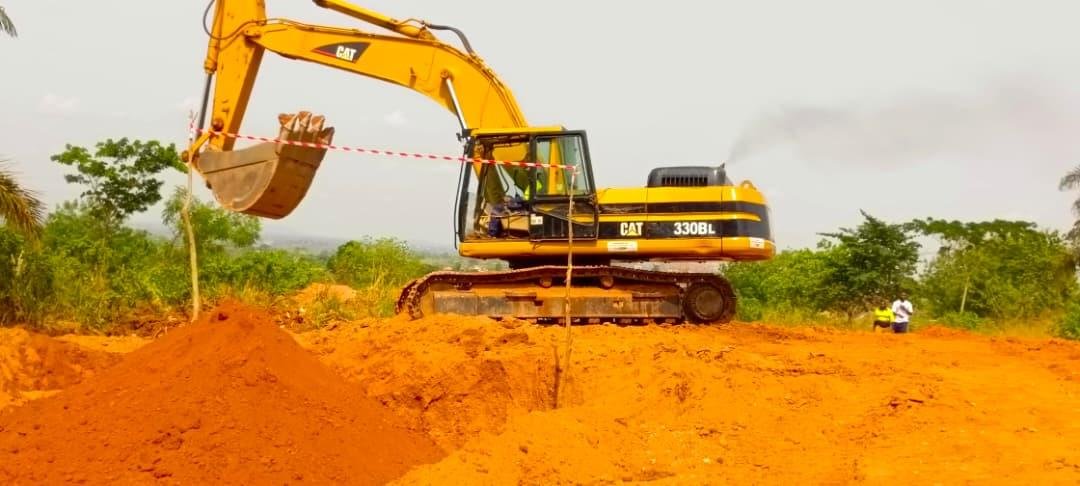
Digging, loading, trenching and precision control, from daily checks to production work.
 4 weeks
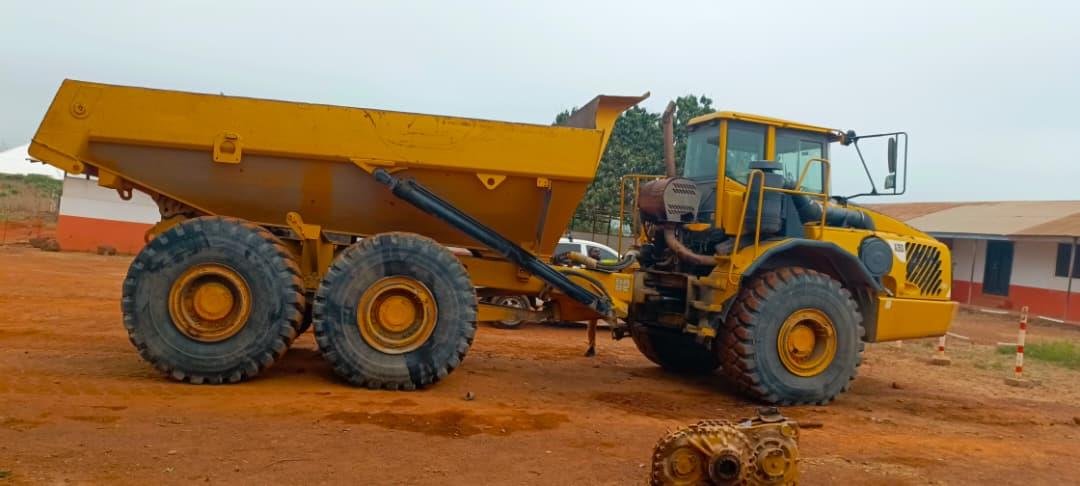
Haul-cycle safety, load securement and operating across varied terrain and gradients.
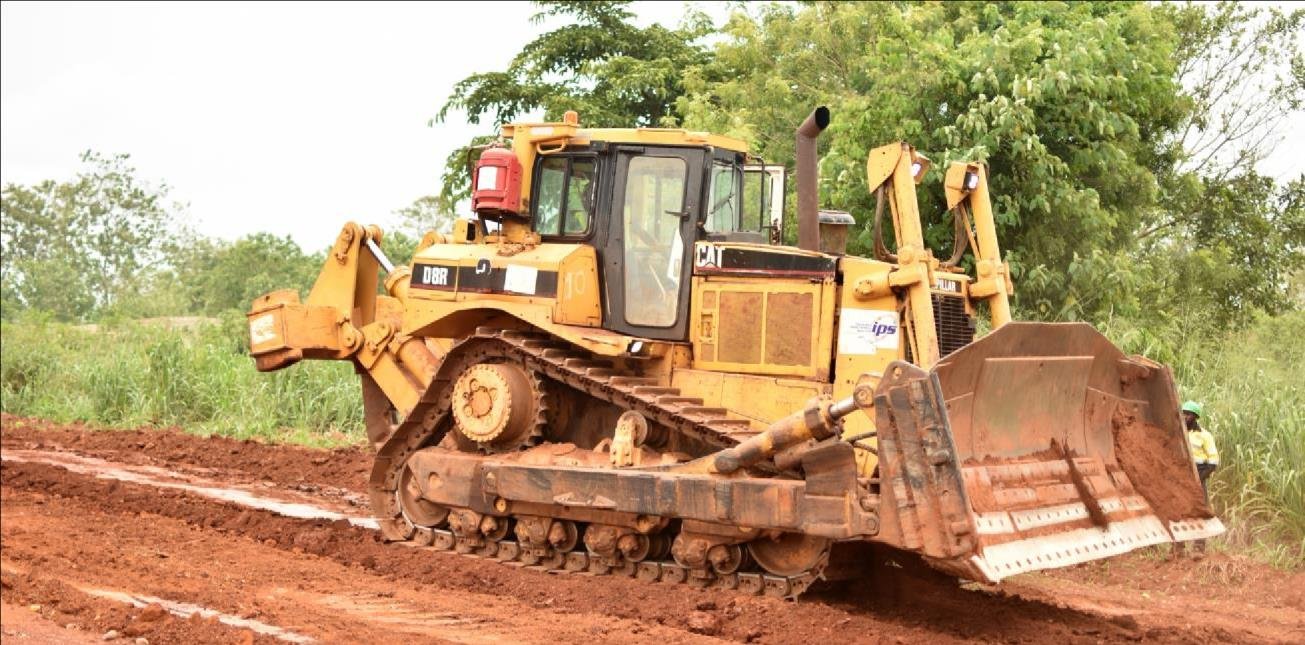 4 weeks
Earthmoving, grading and site preparation with a focus on control and productivity.
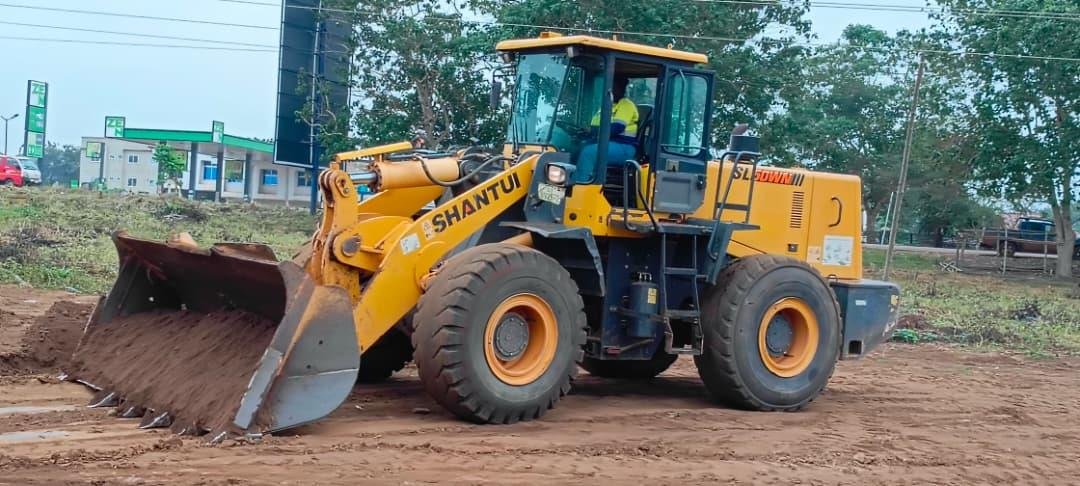 4 weeks
Loading, stockpile management and material handling for plant and yard operations.
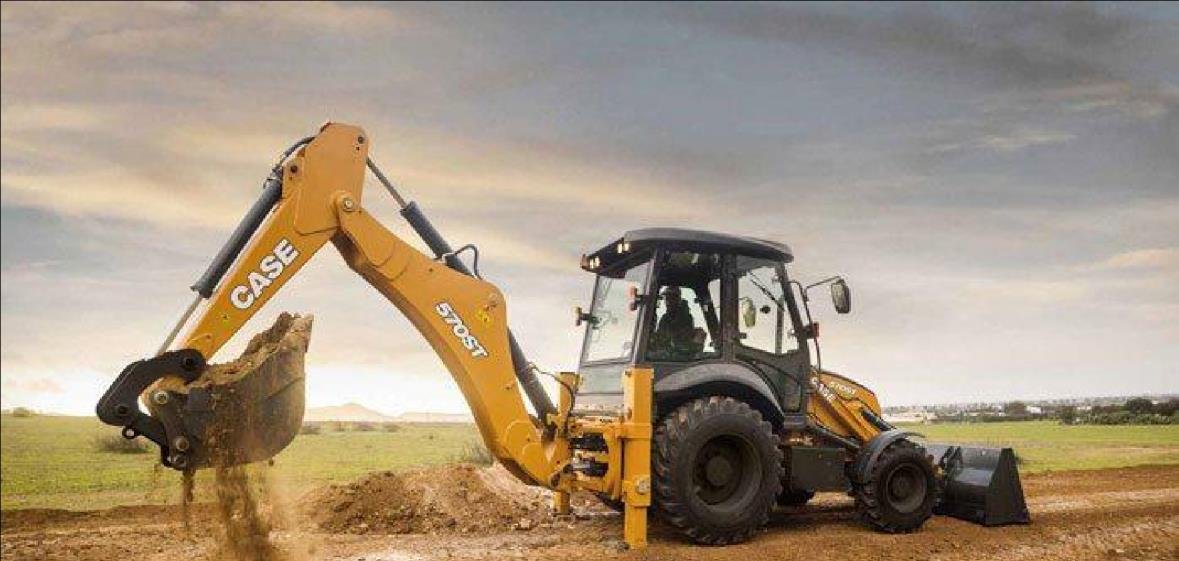 4 weeks
Excavation, trenching and loading for construction, utility and landscaping work.
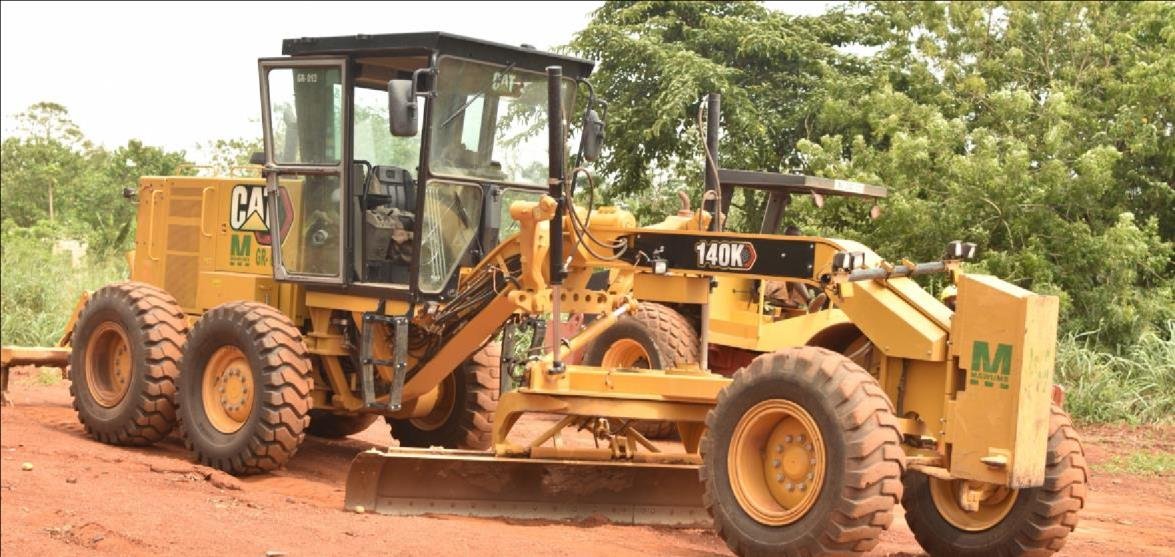 4 weeks
Road maintenance, grading and levelling technique for haul roads and working surfaces.
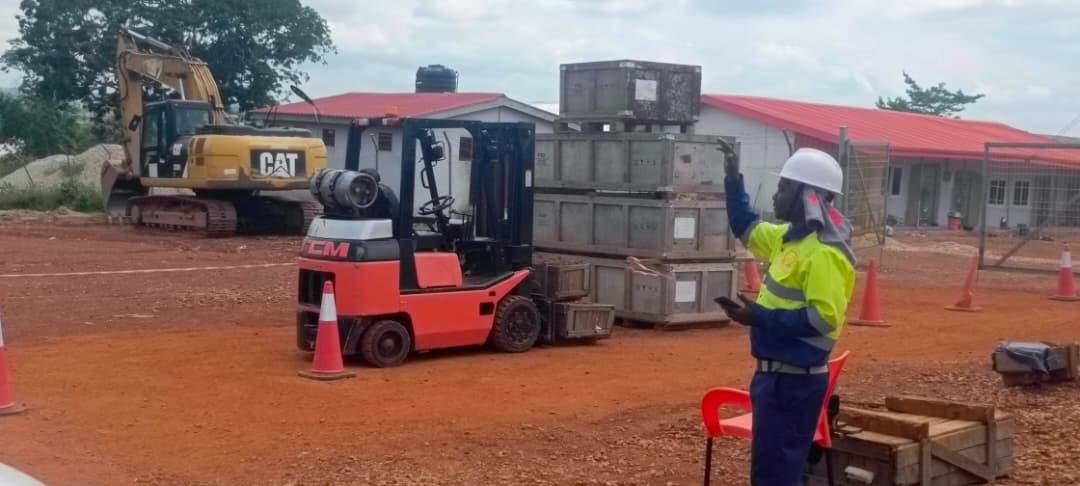 7 days
Load handling, stability and the safe movement of materials in yards and warehouses.
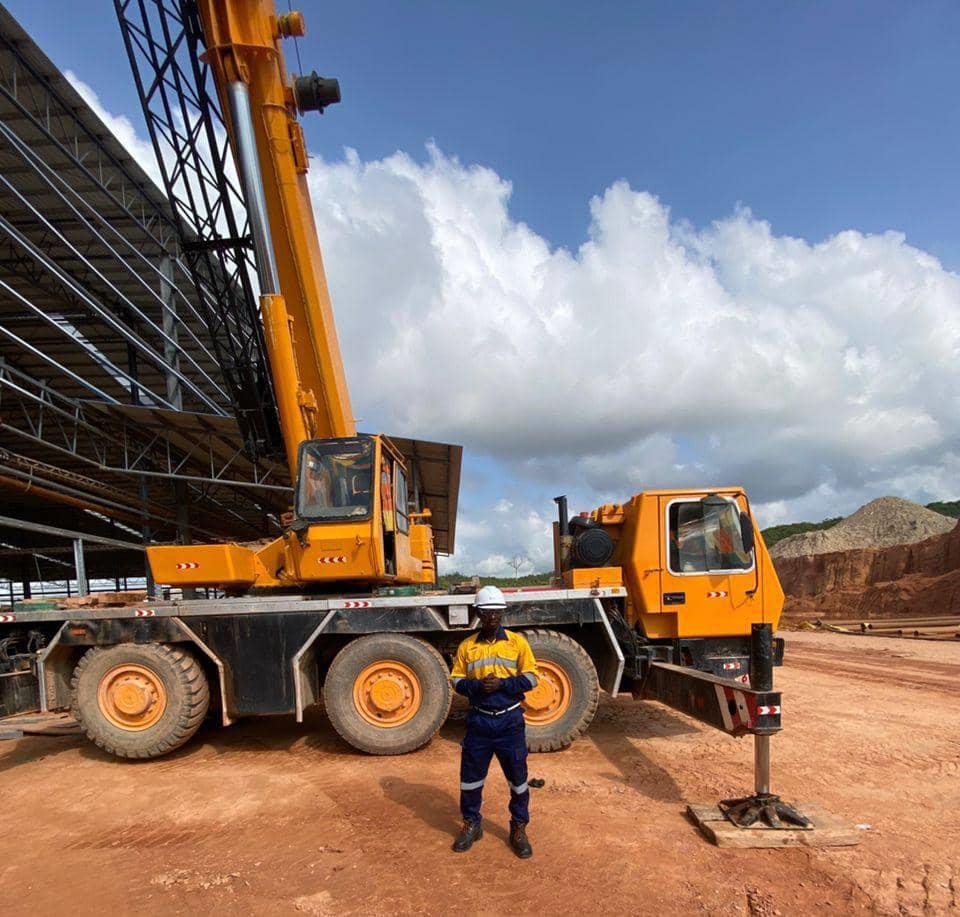 4 weeks
Rigging, load calculation and safe lifting for construction and industrial sites.
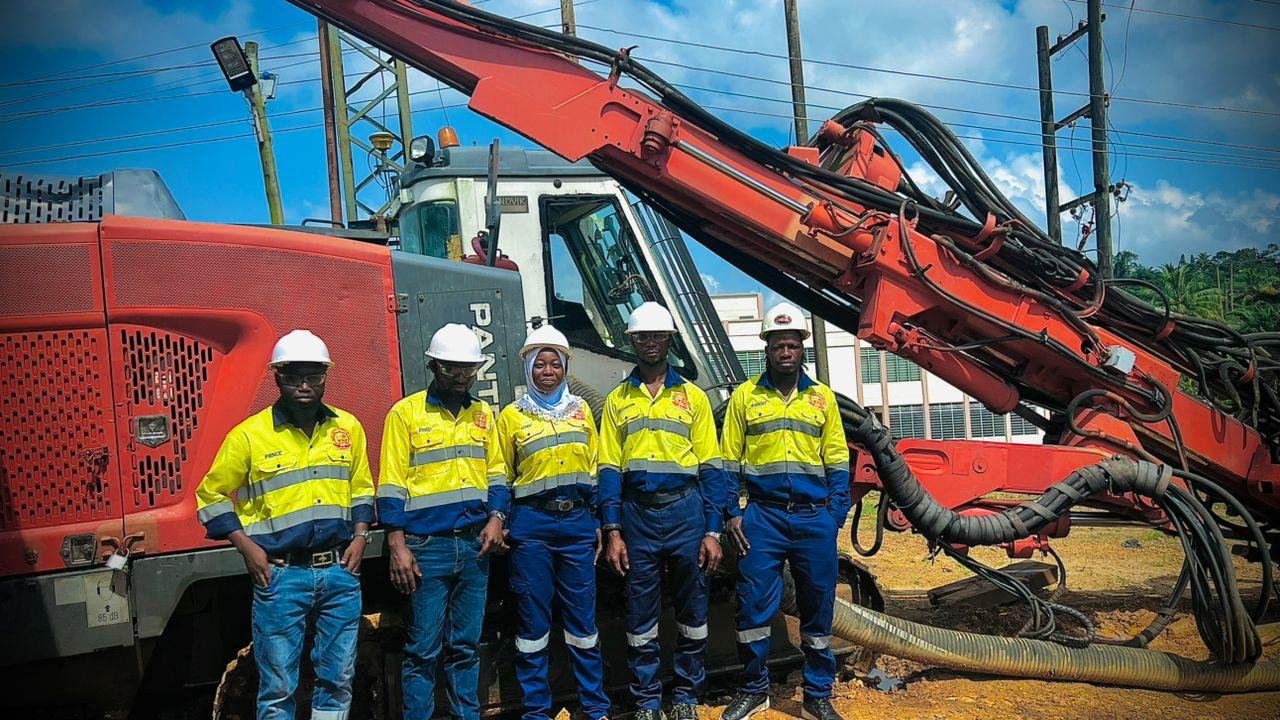 6 weeks
Drilling methods, equipment selection, safety protocol and performance optimisation.
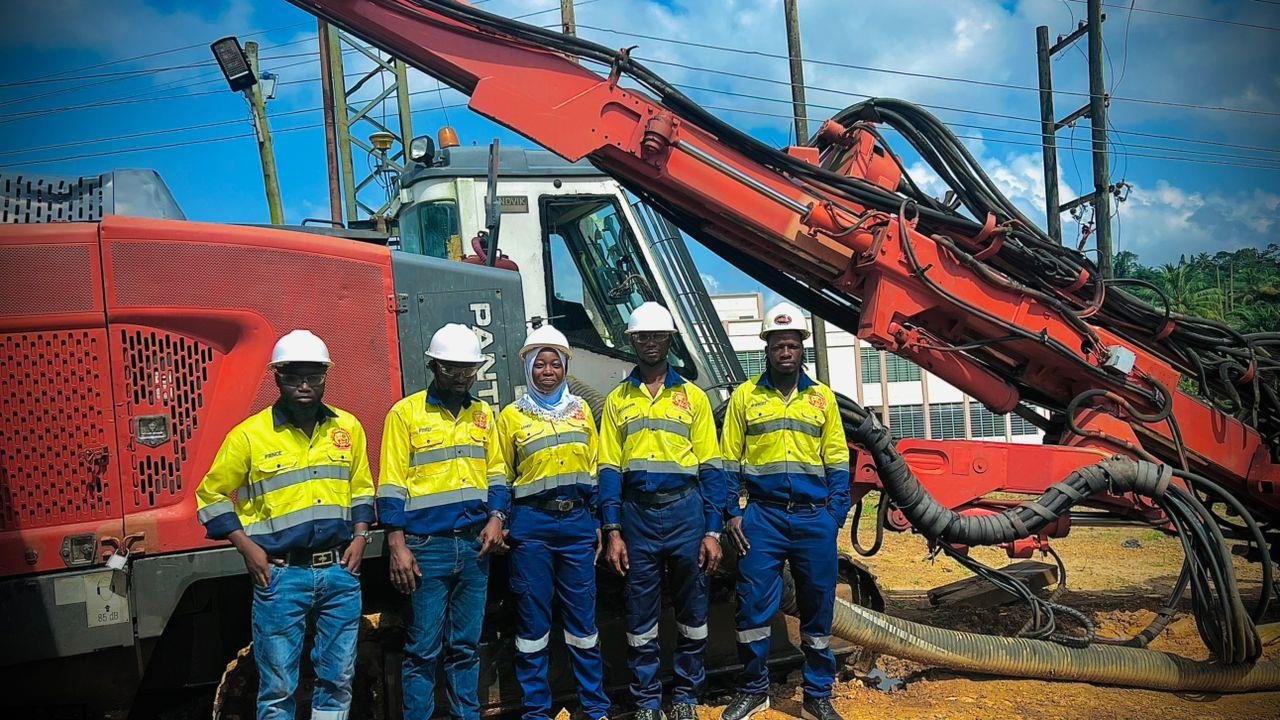 6 weeks
Rig components, operating technique and maintenance for mining and water-well drilling.
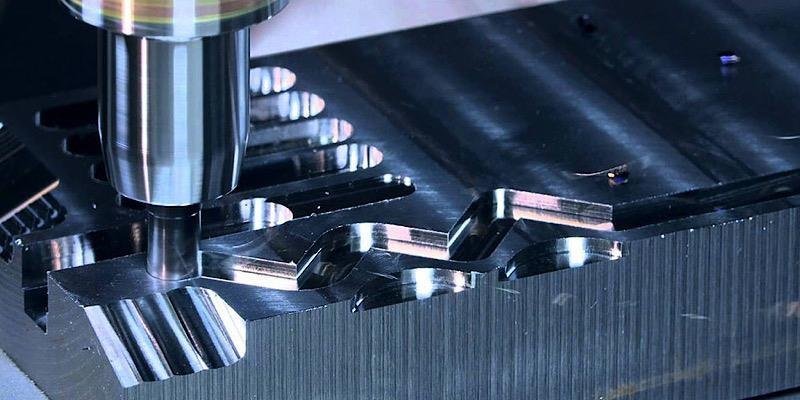 5 days
Grinding mills, flotation and filtration, with safety and maintenance routines.
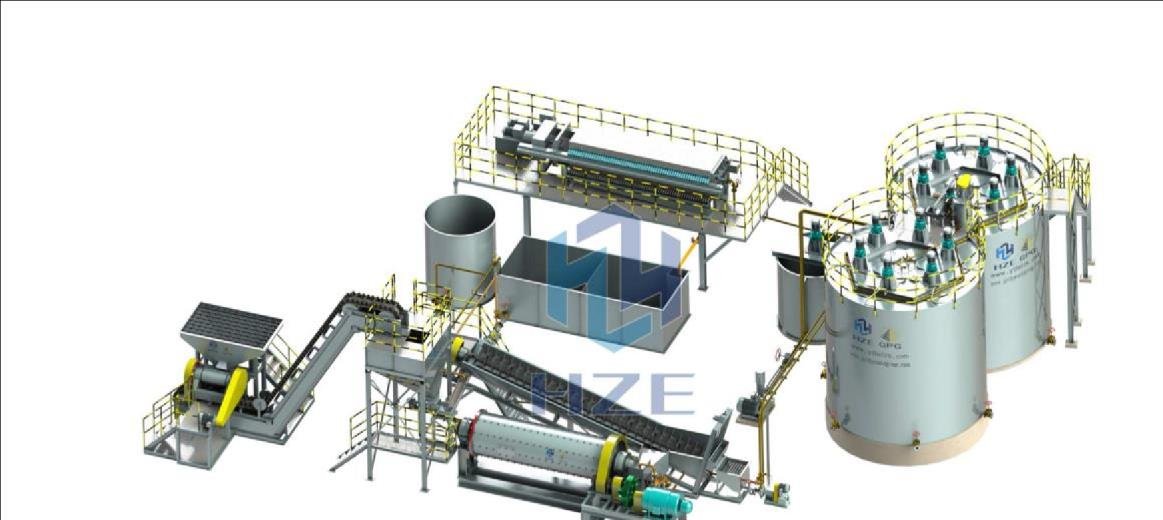 5 days
Leach tanks, carbon adsorption and electrowinning for gold recovery plants.
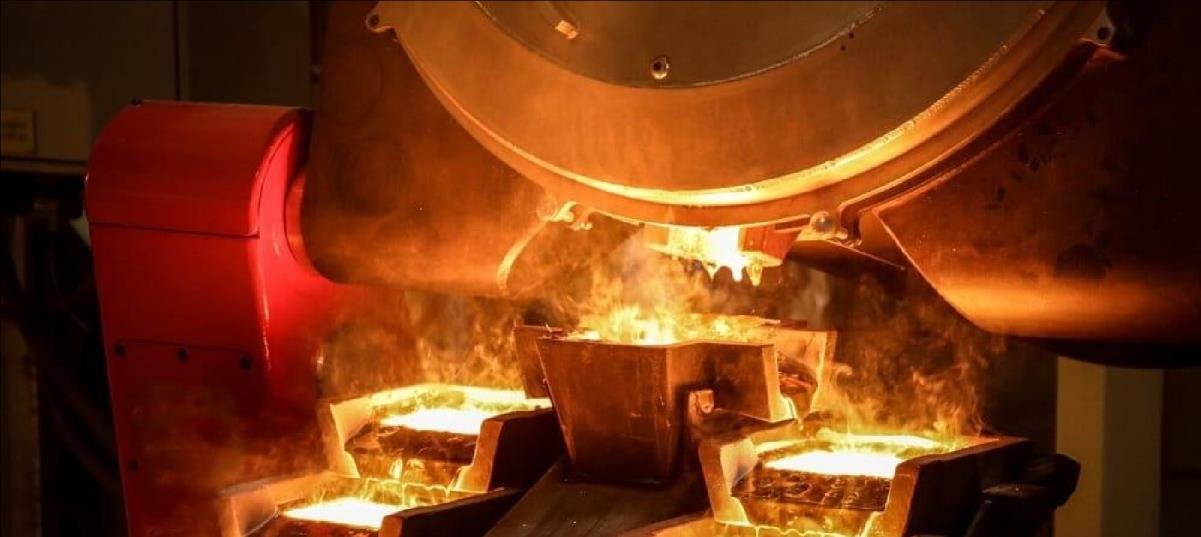 5 days
Gold extraction, chemical handling, electrowinning and the pouring of bullion.
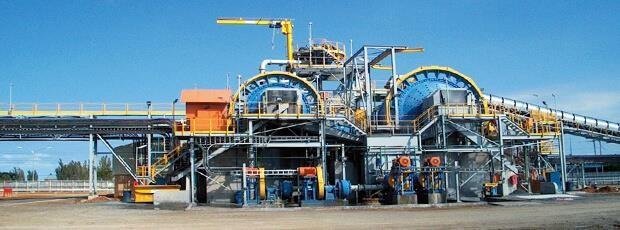 5 days
Design, operation and surveillance of tailings facilities, with risk and compliance.
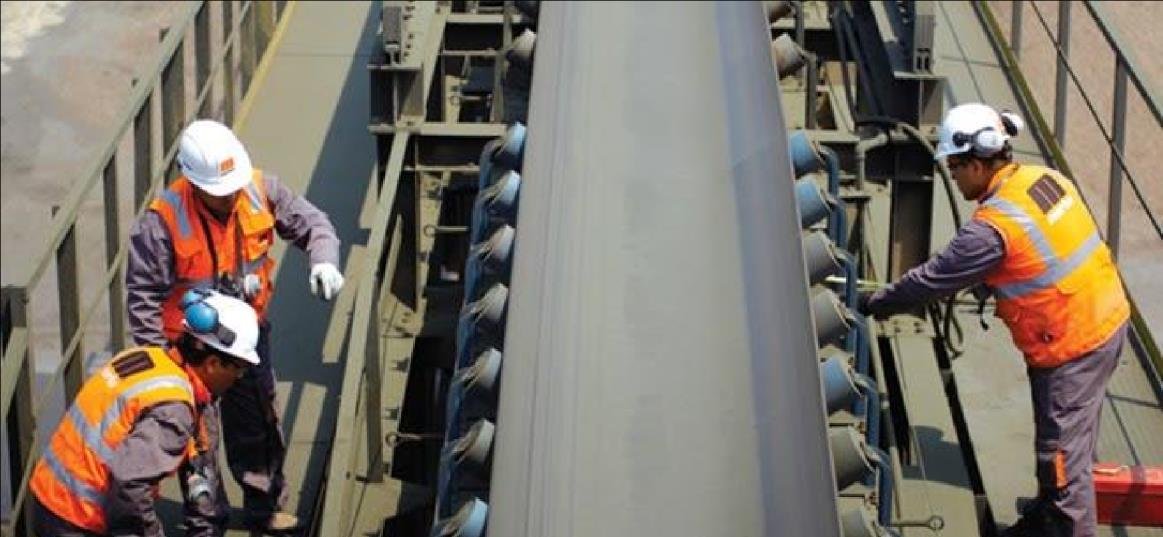 3 days
Belt components, inspection, material handling and safe shutdown procedure.
20 hours
Comminution, classification, flotation and plant design for processing operations.
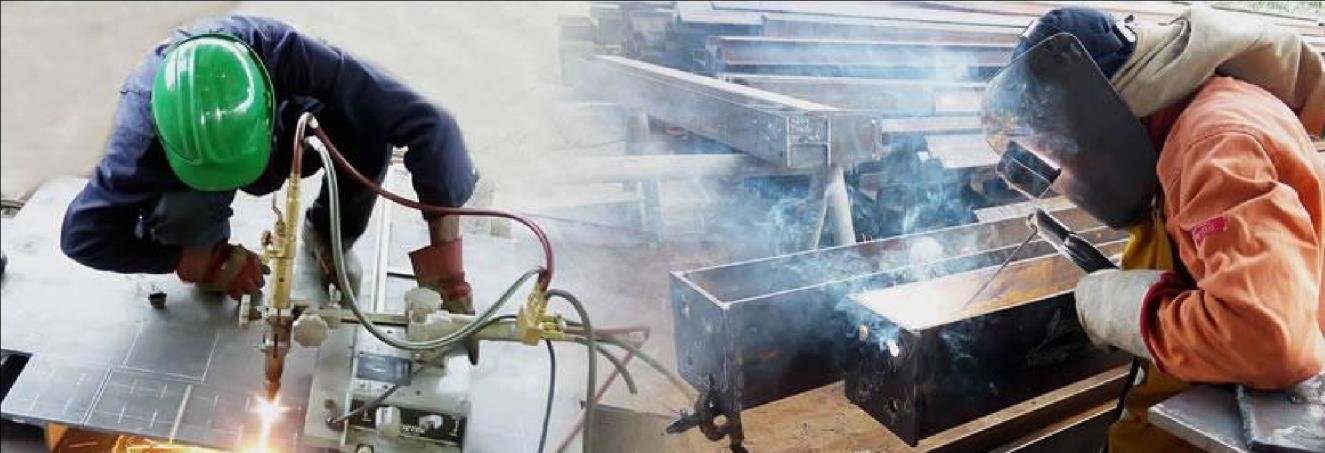 3–6 months
SMAW, GMAW, FCAW and GTAW processes, metal cutting, assembly and project work.
 3–6 months
Materials, fixtures, supply and drainage systems, installation, fault-finding and repair.
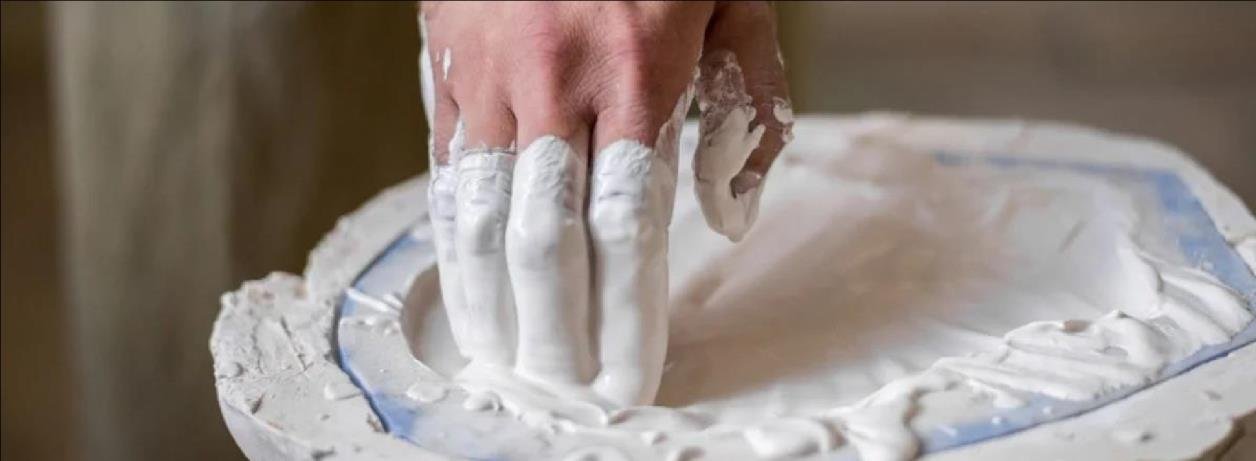 1–2 weeks
Mixing, casting, moulding, sculpting and finishing decorative plaster surfaces.
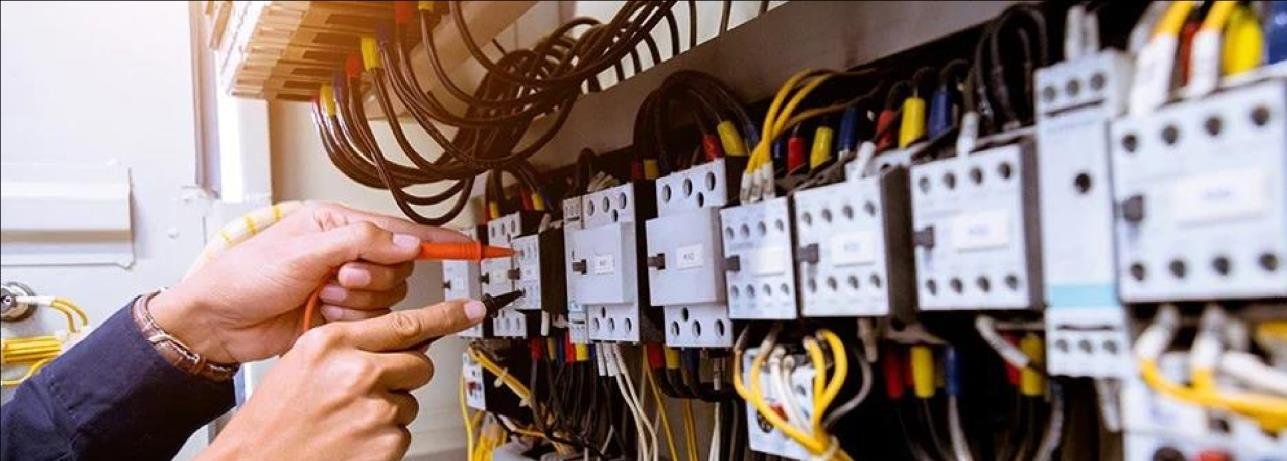 2–4 years
Circuits, electronics, electromagnetism, power distribution and control systems.
No courses in this category yet.
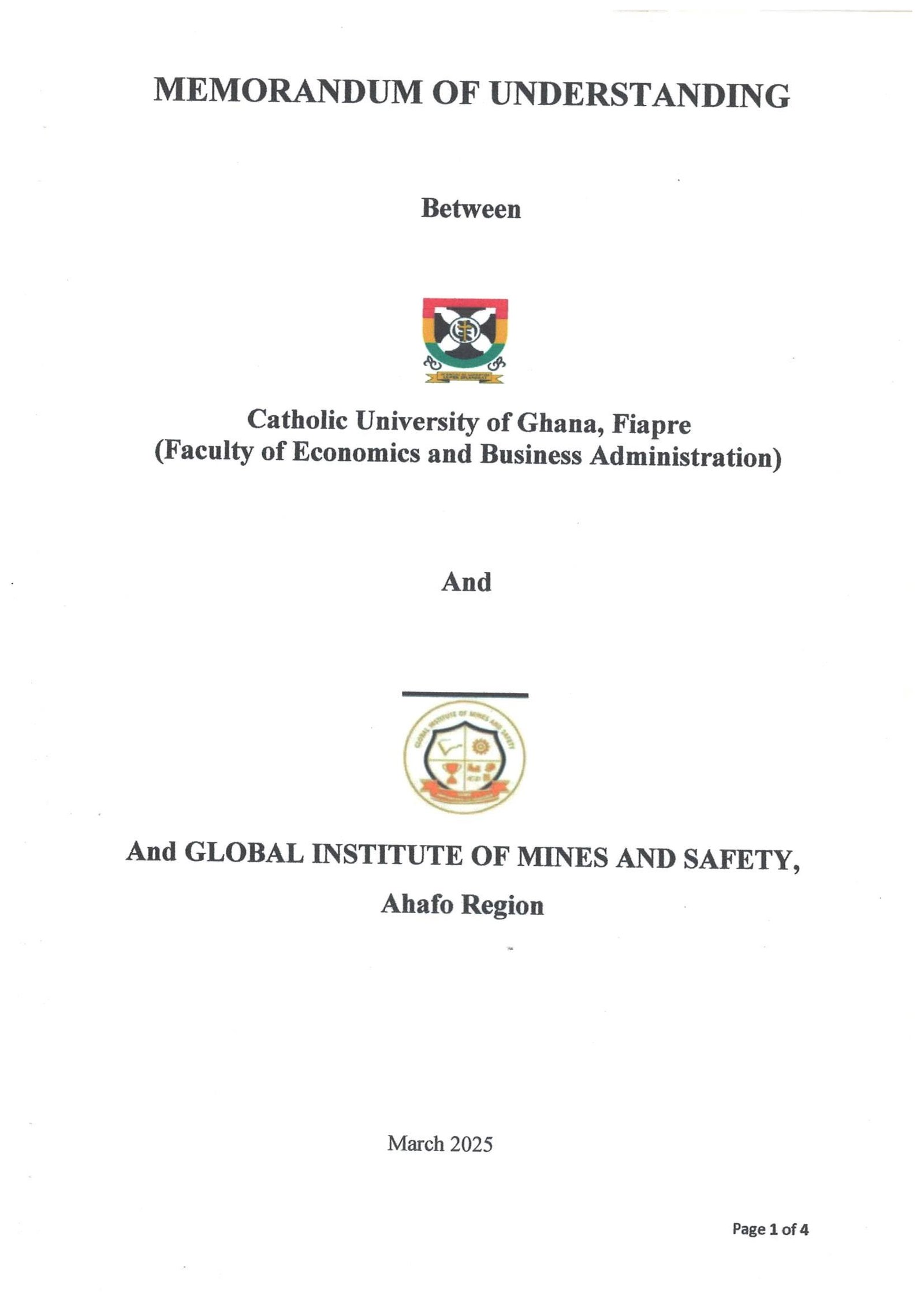
19 original documents from the company profile — incorporation and tax records, institutional approvals, partnership agreements and the certificates our graduates receive. Select any document to read it in full.
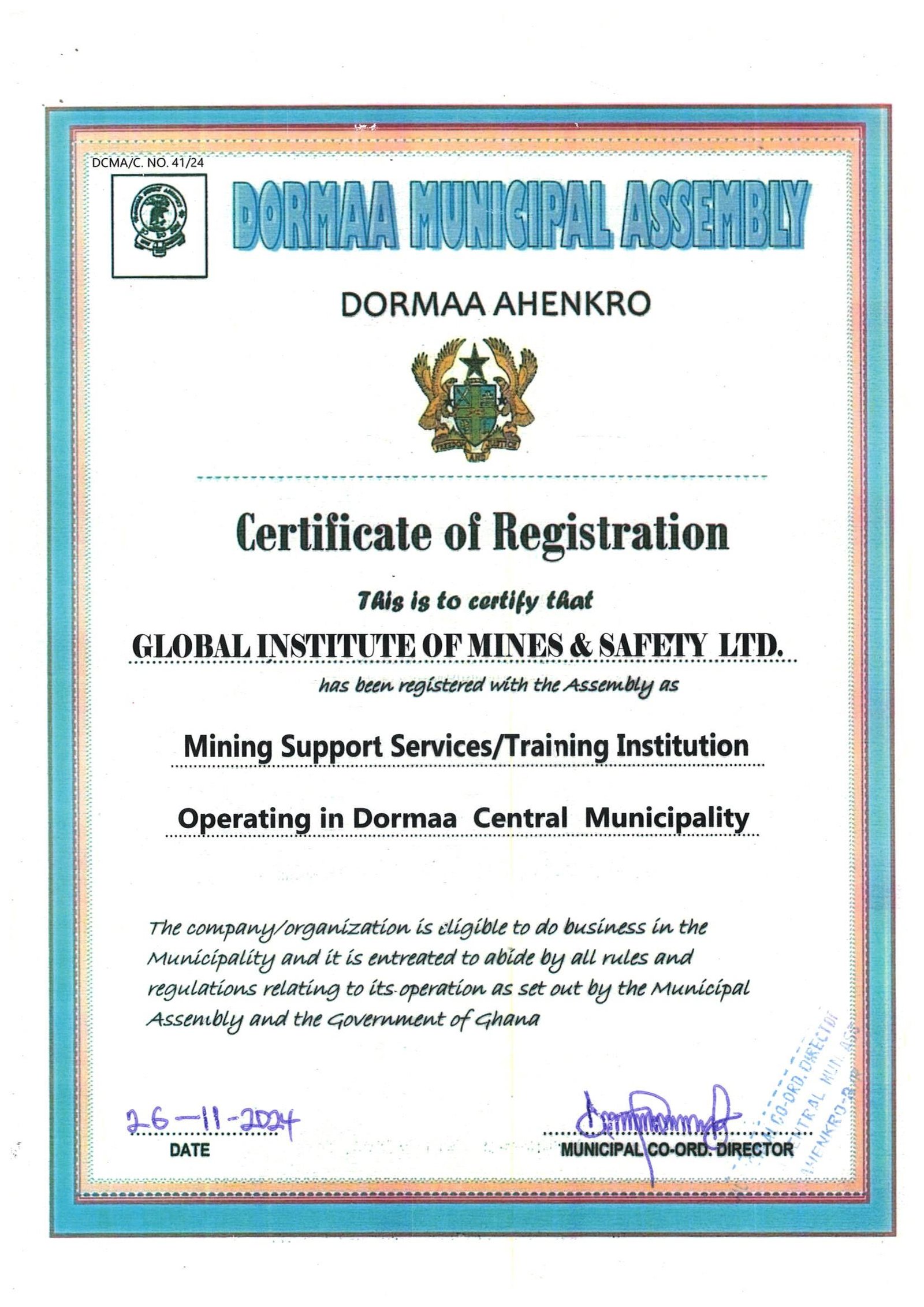
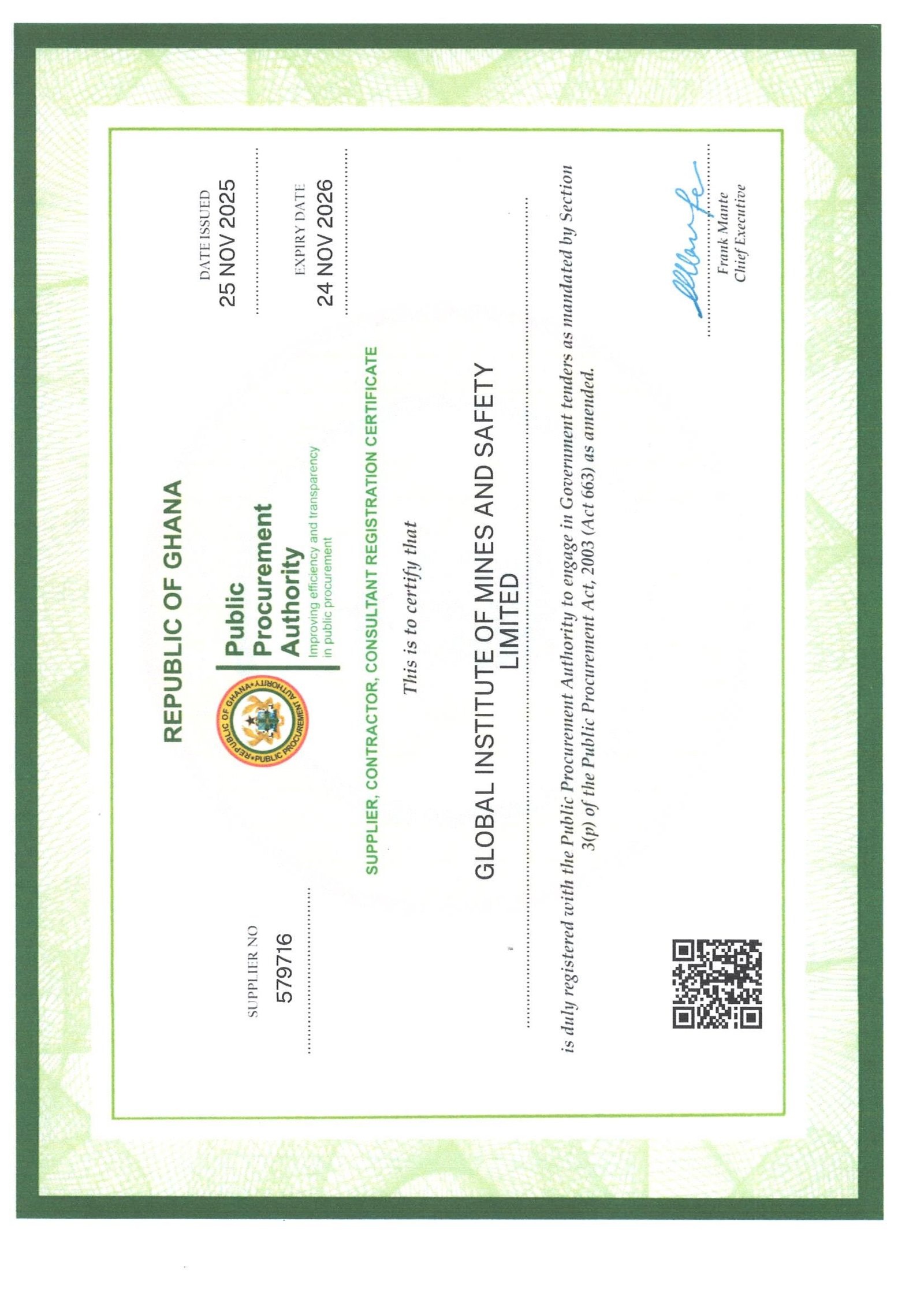
GIMS is a registered limited liability company, fully cleared to trade, pay VAT and transact with public institutions.
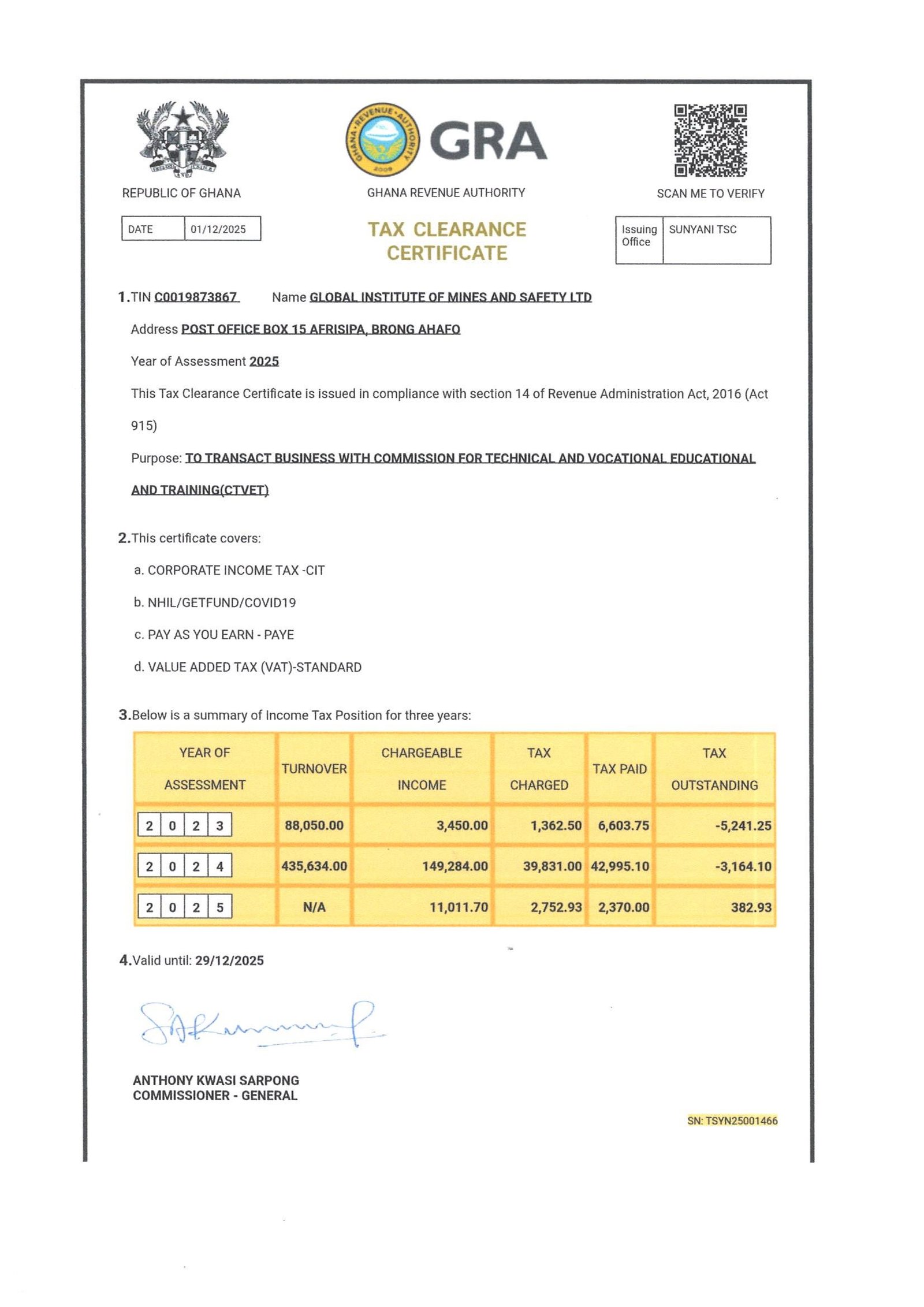
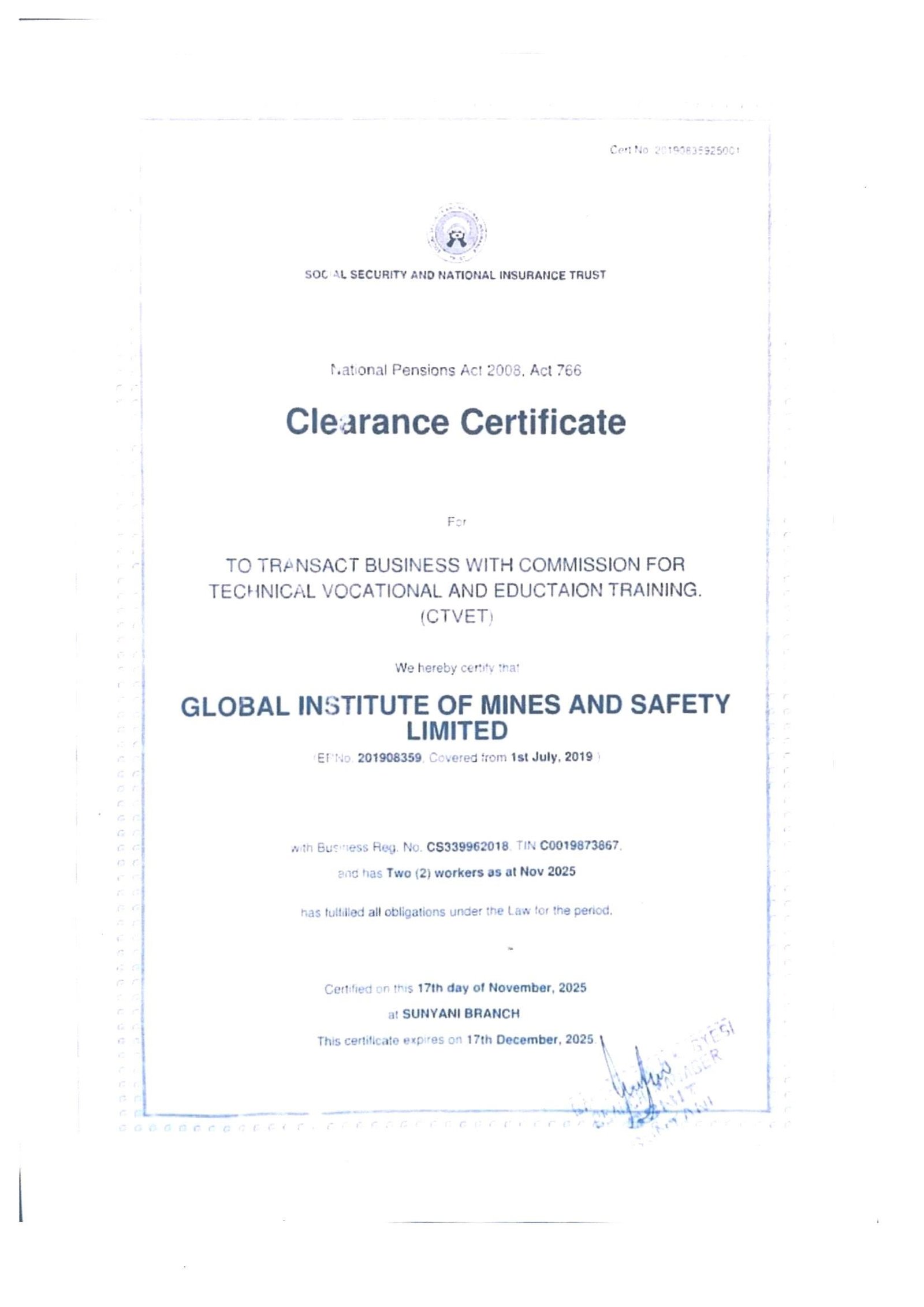
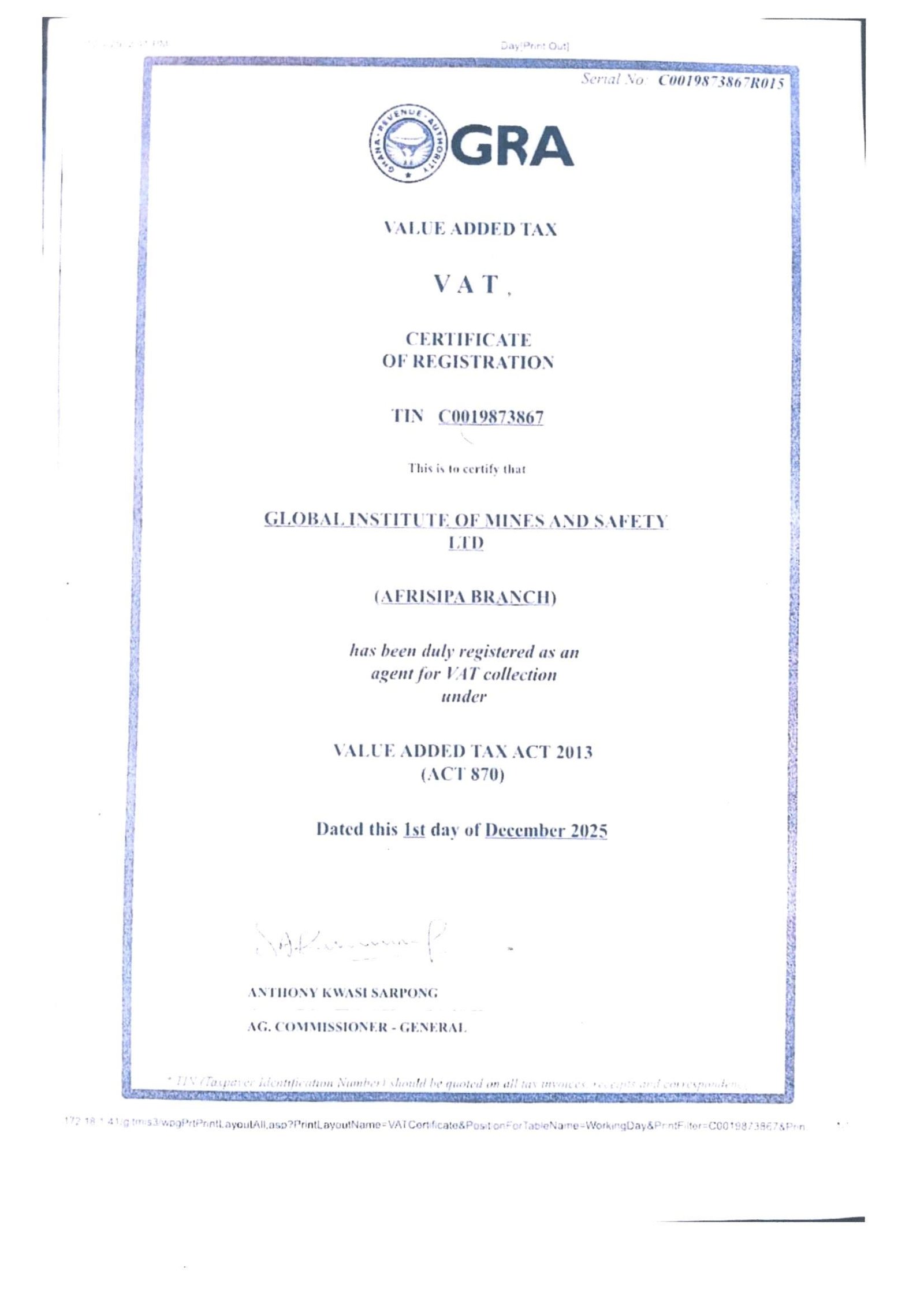
Accreditations, grant funding and institutional agreements that sit behind the training we deliver.
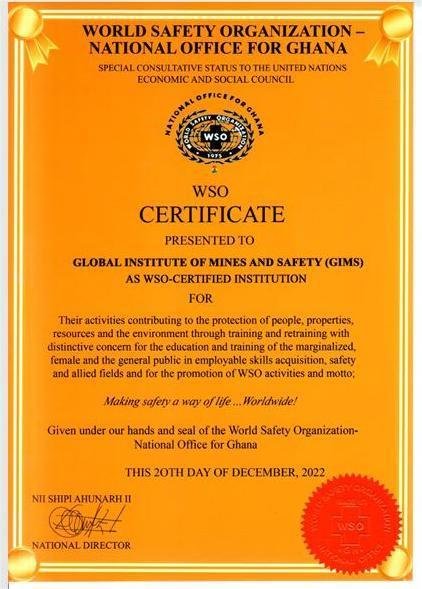
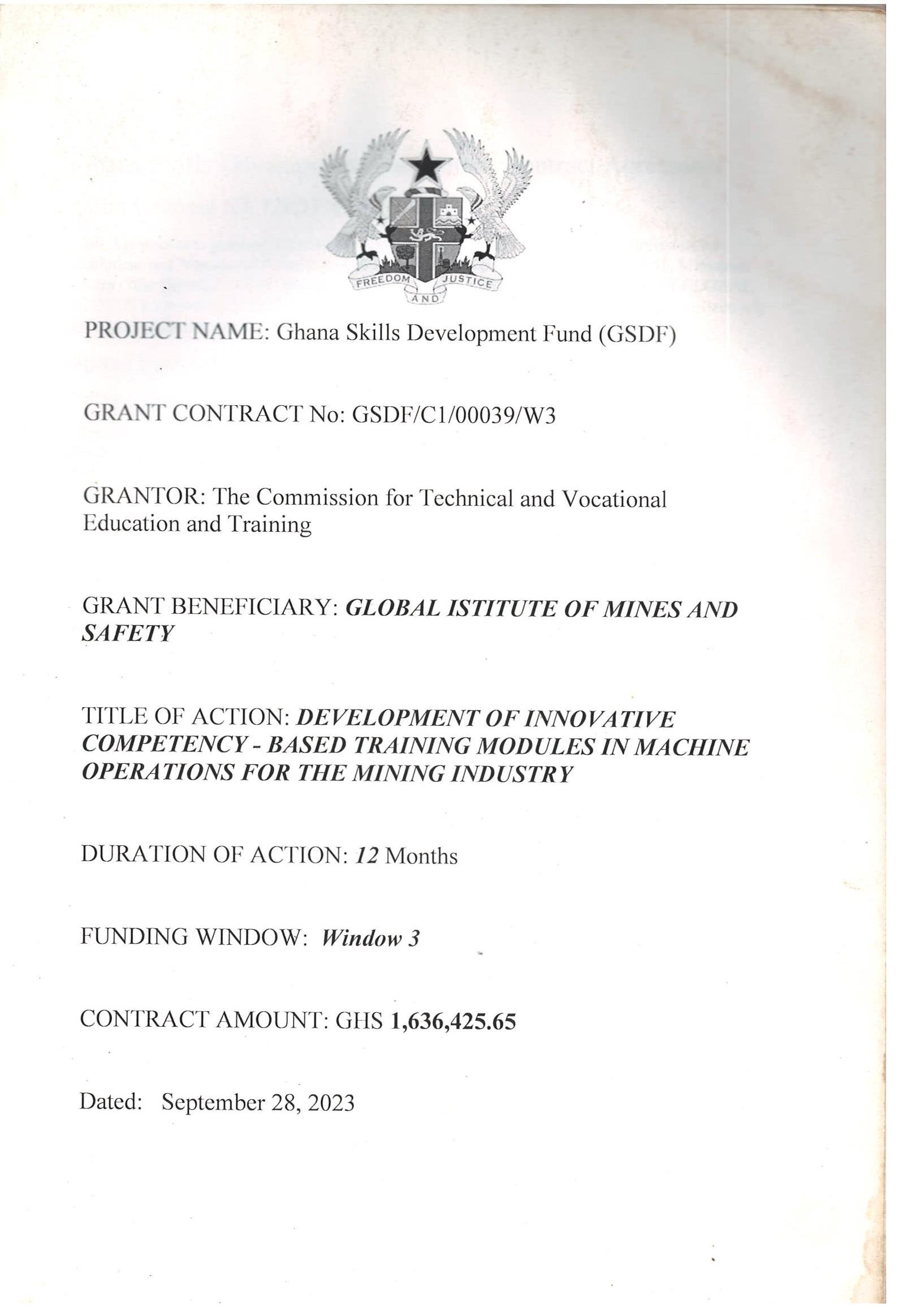
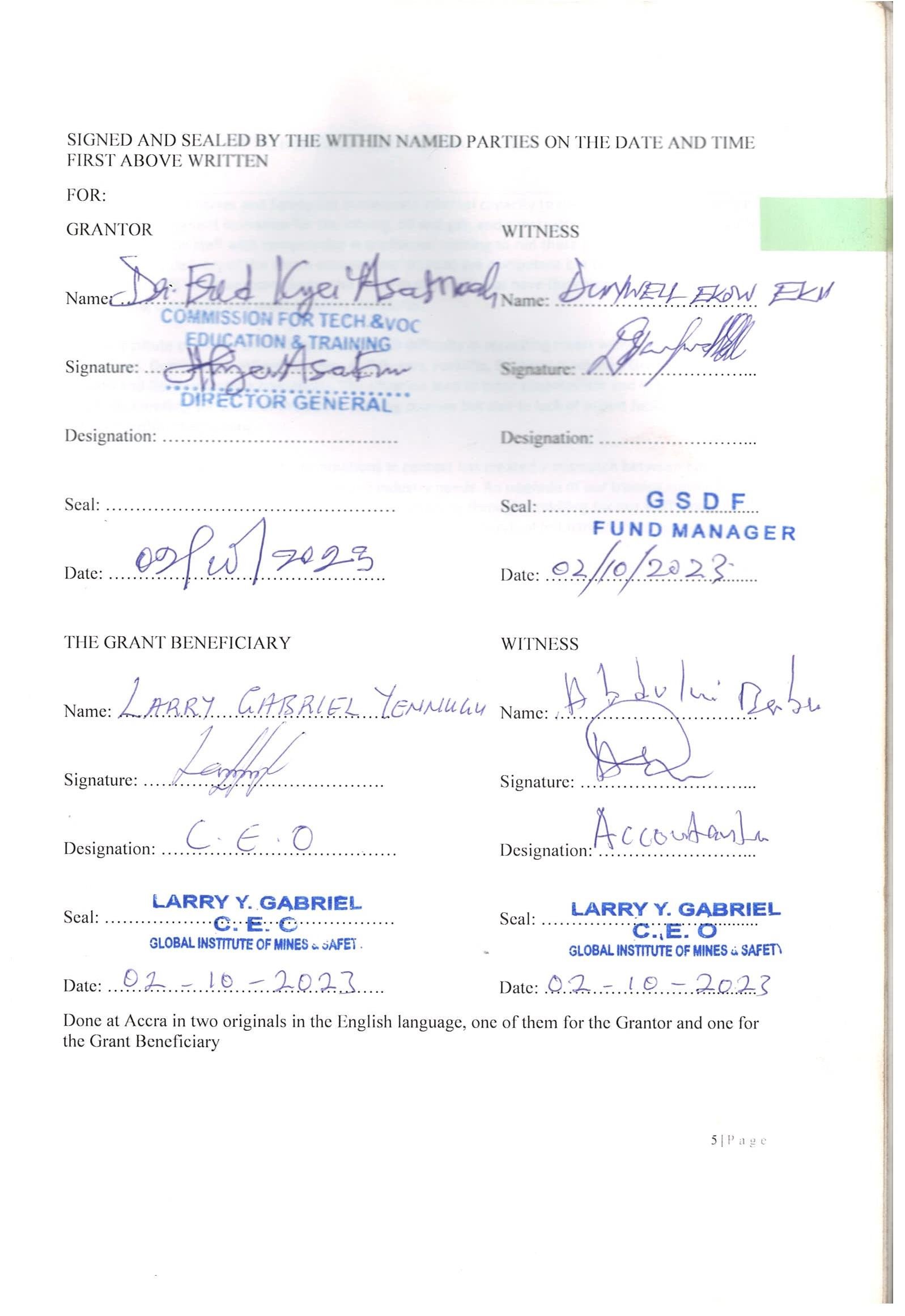
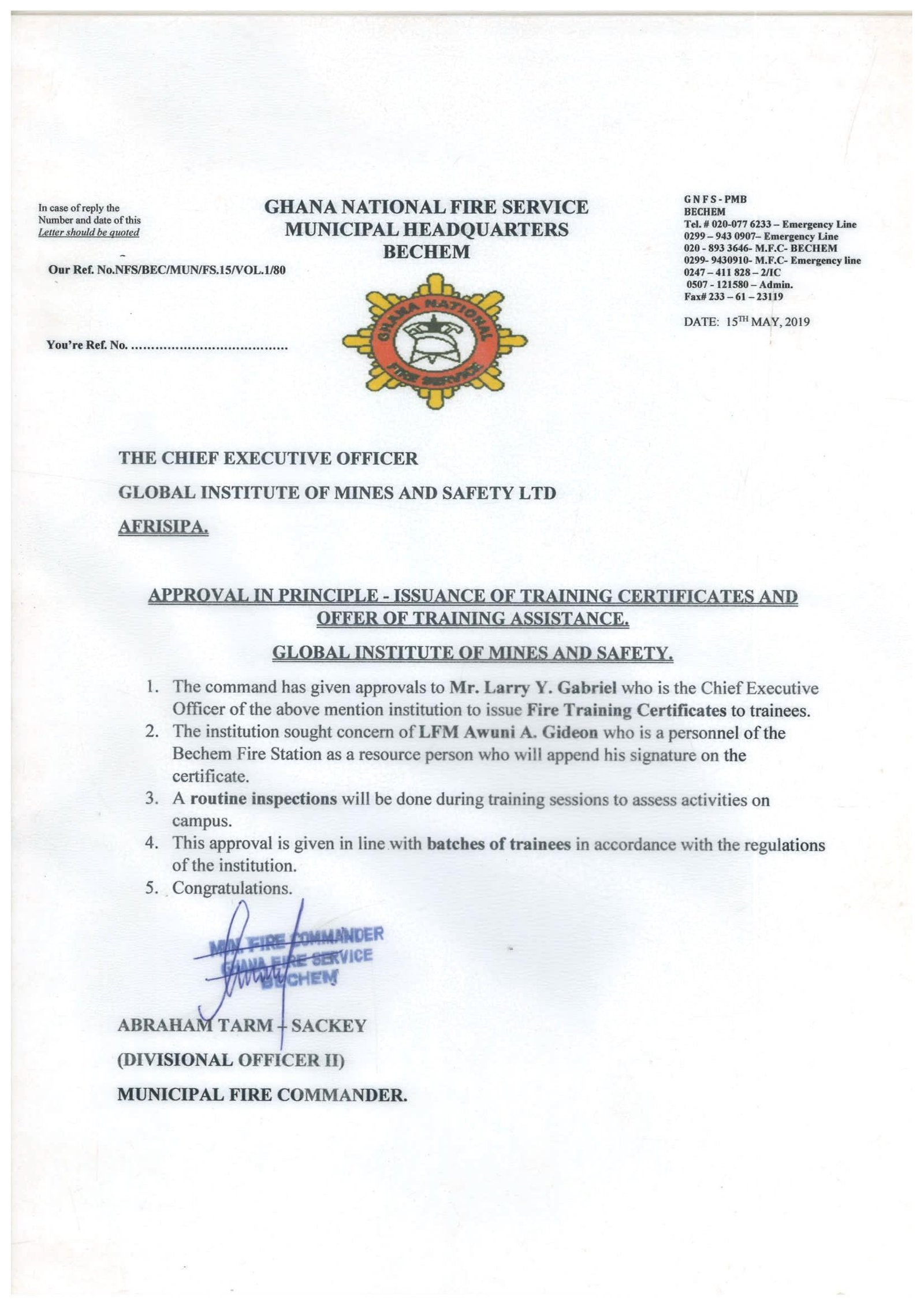
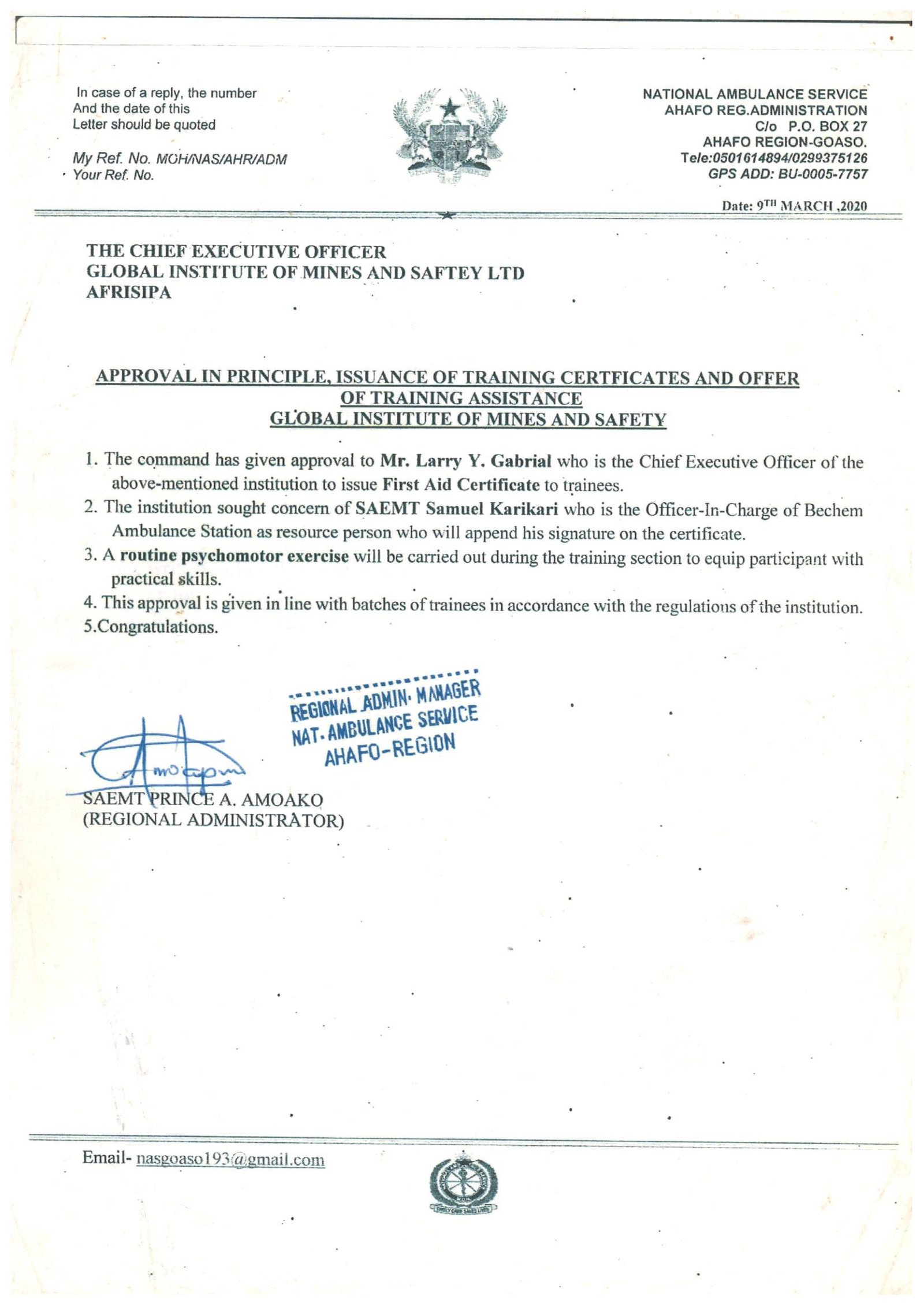
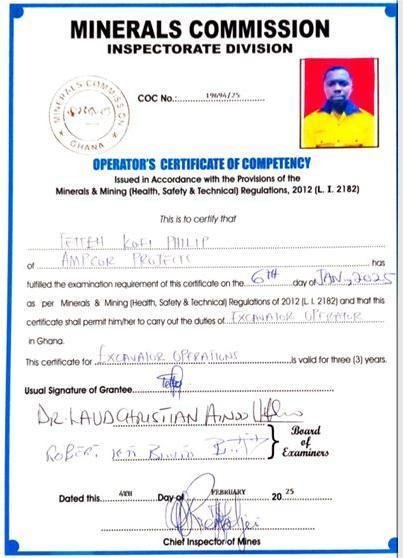
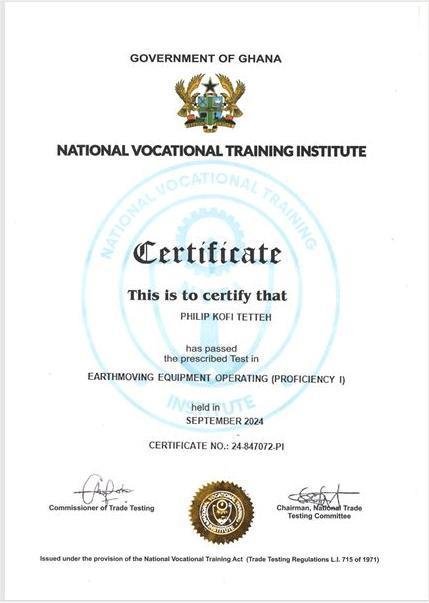
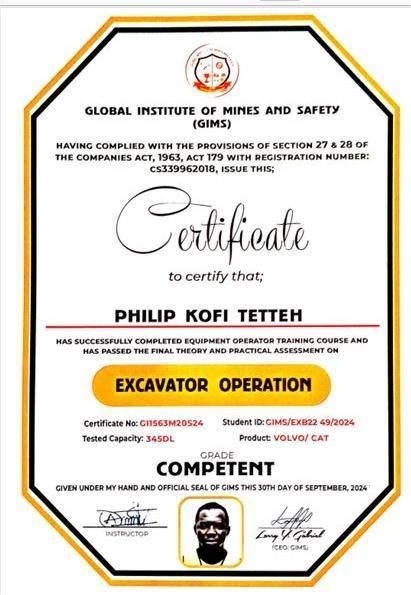
Every graduate leaves with recognised certification — from the Minerals Commission, the NVTI and our partner agencies.
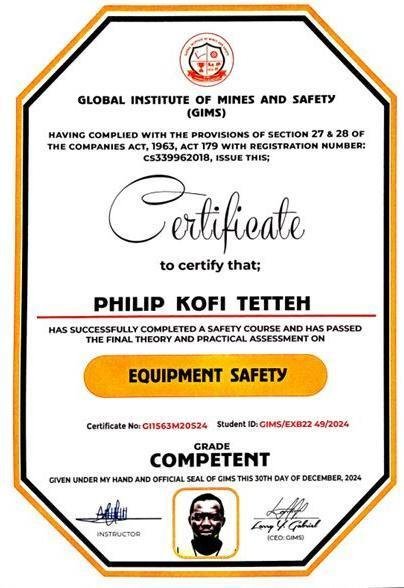
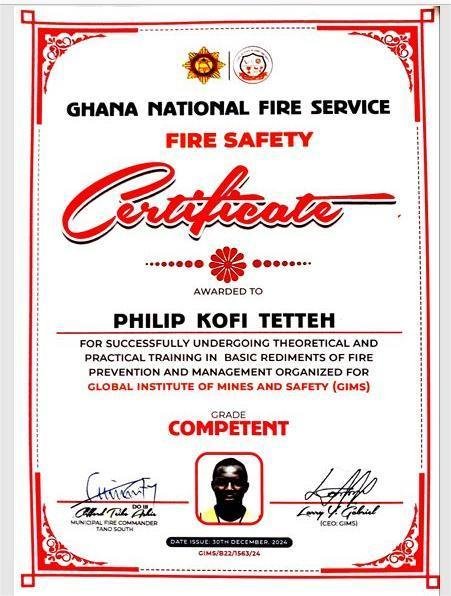
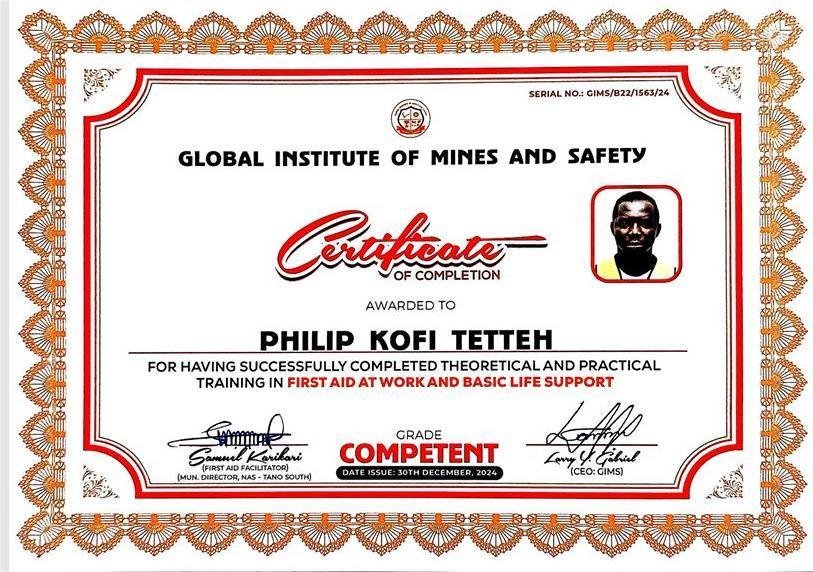
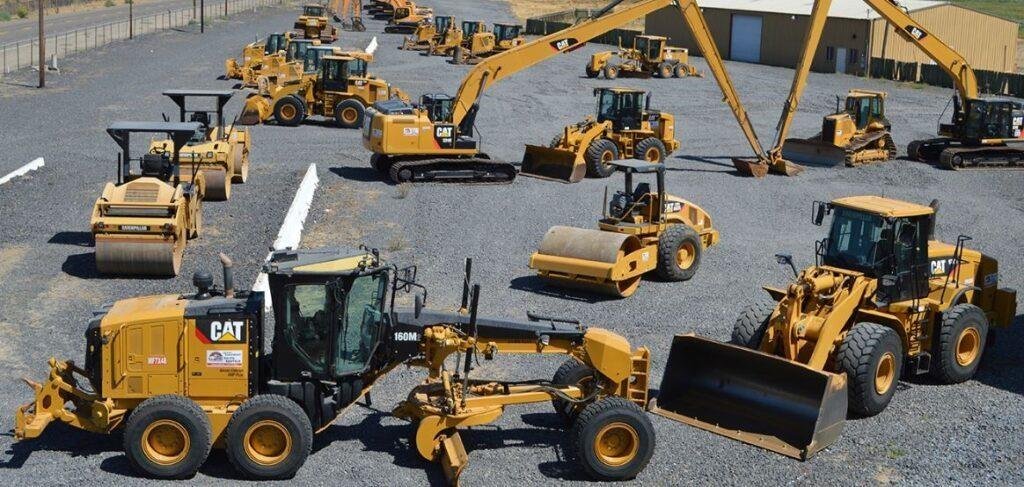
Training happens on real equipment. Our yard holds the plant our trainees operate day to day, and our hostels keep students close to the training ground.
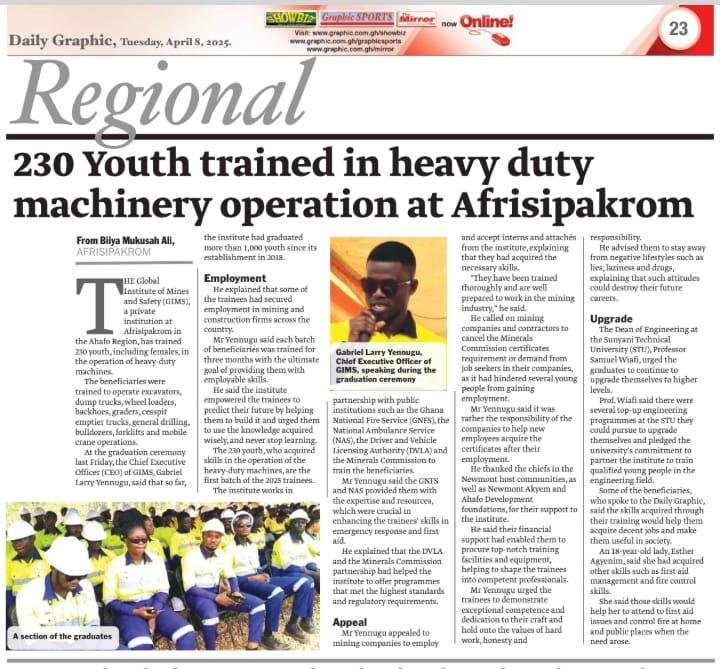
Coverage of our 2025 graduating cohort and the employment pathways opened by certified operator training.
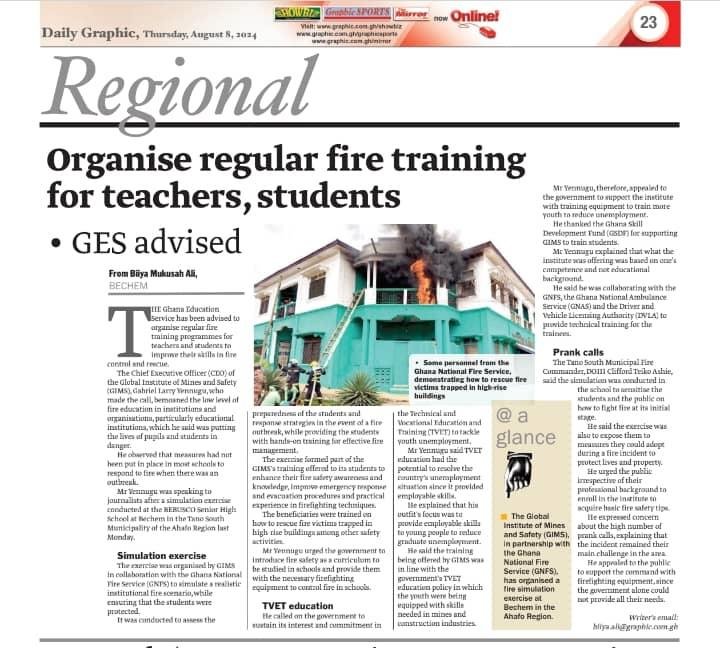
Our fire safety instructors featured in regional coverage on the value of routine drills.
Ceremonies, practical sessions and the people who pass through our campus.
Foundations, mining contractors, engineering firms and communities — at home and across the West African sub-region.
Our admissions team will talk you through the right programme, intake dates and what to bring on your first day.